why it exists
I built the room I kept chasing.
The sound I was after only ever showed up in one place. Safe, exposed, the space holding everything up. Nothing I could buy did it.
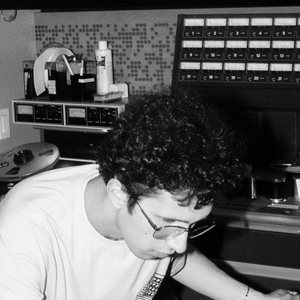
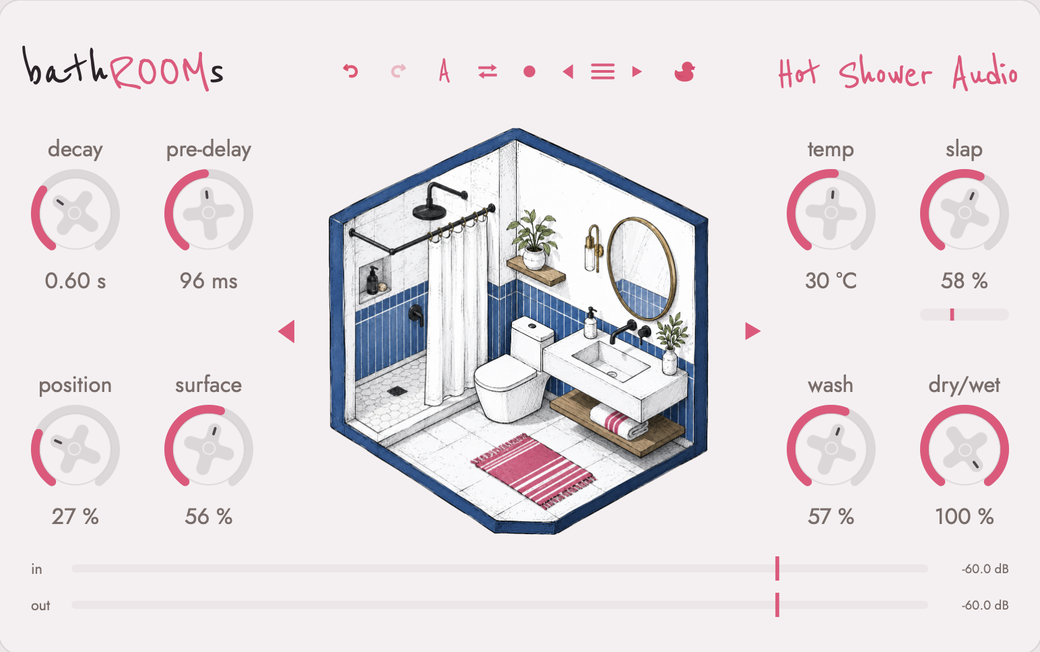
So I built it. I mix records for a living, and this is the first thing I have made for other people to use. Five of the eight knobs shape the room itself, and most of them don’t exist on the reverb you’re using now.

Ramalejo
Alejandro Ramírez, Colombian
Latin Grammy–credited mix engineer
the room controls
Not your usual reverb knobs.
position
Distance. Step back and the room closes in darker and narrower around you; step forward and it opens up and brightens. One knob doing the work of three.
surface
What the walls are made of. Hard tile keeps the highs ringing; soften it toward towels and curtain and the top end gets eaten on every pass.
slap
The slap between two parallel walls, running its own feedback loop. Tile facing itself does this. Very little else can.
wash
The balance between distinct reflections and a diffuse cloud. Pull it back and you hear the walls; push it and the room turns to vapor.
temp
Water temperature. Cold runs bright and hard, closer to tile and glass; hot runs warmer and softer, closer to steam. Same room, different mood.
more in the room
five rooms
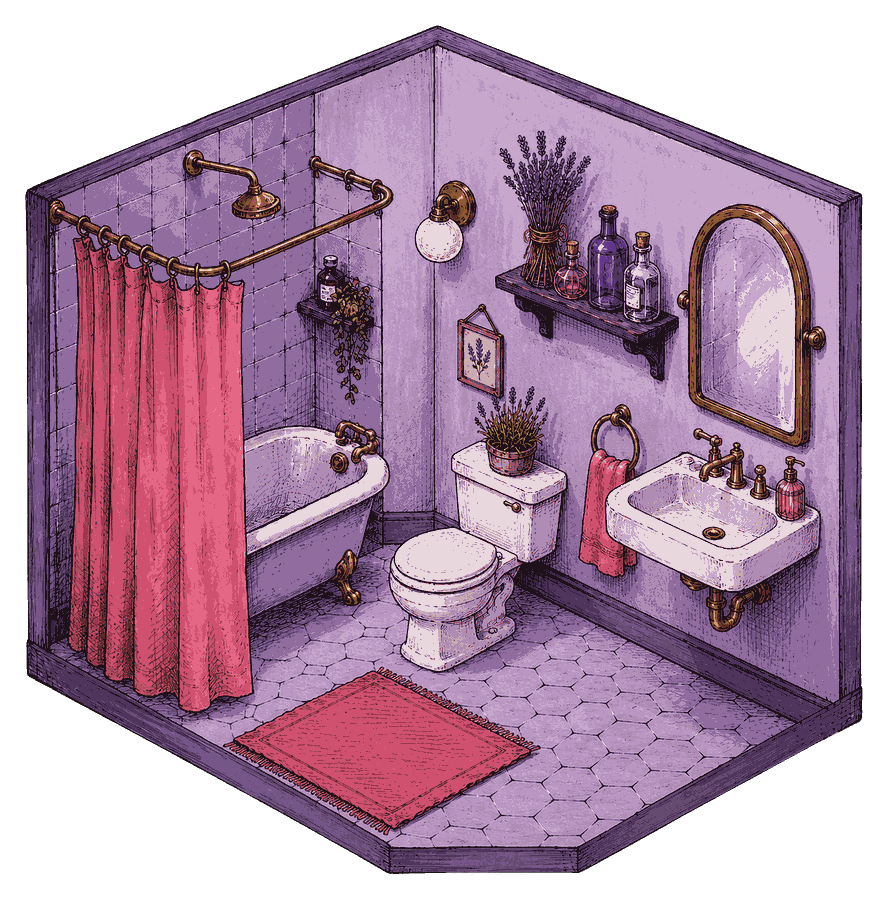
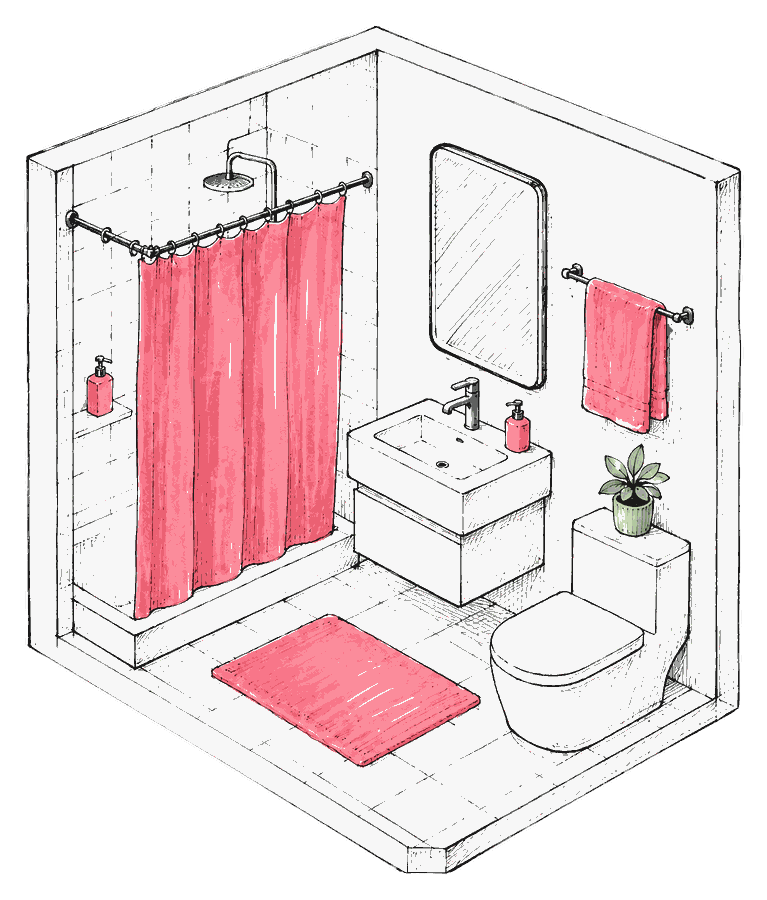
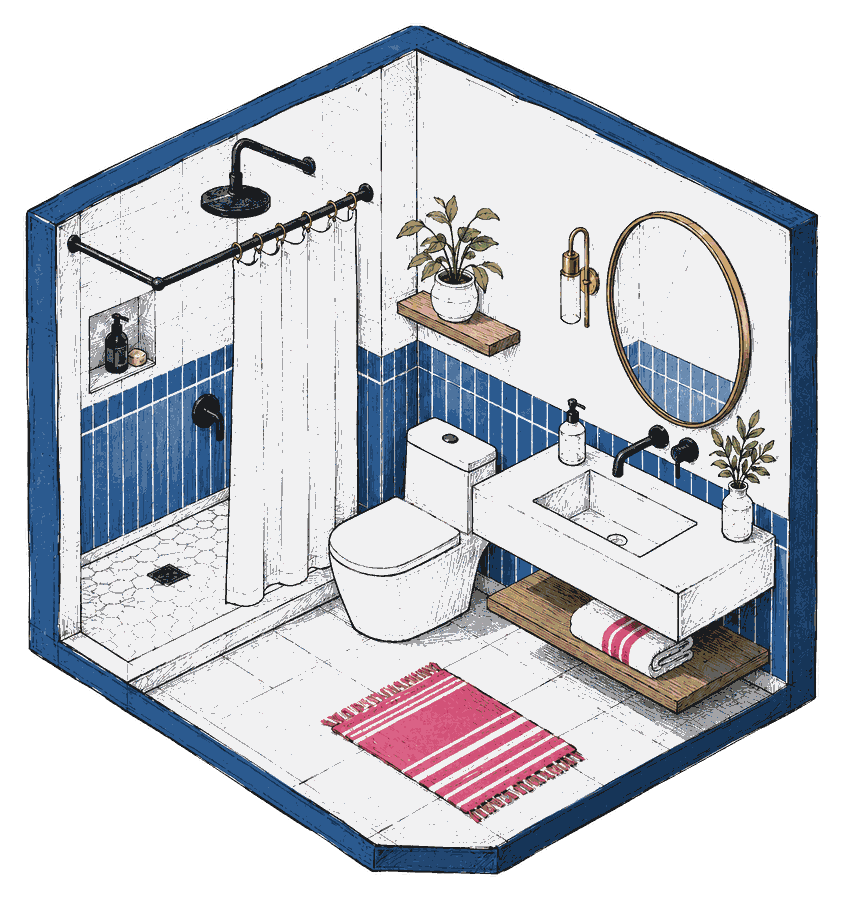
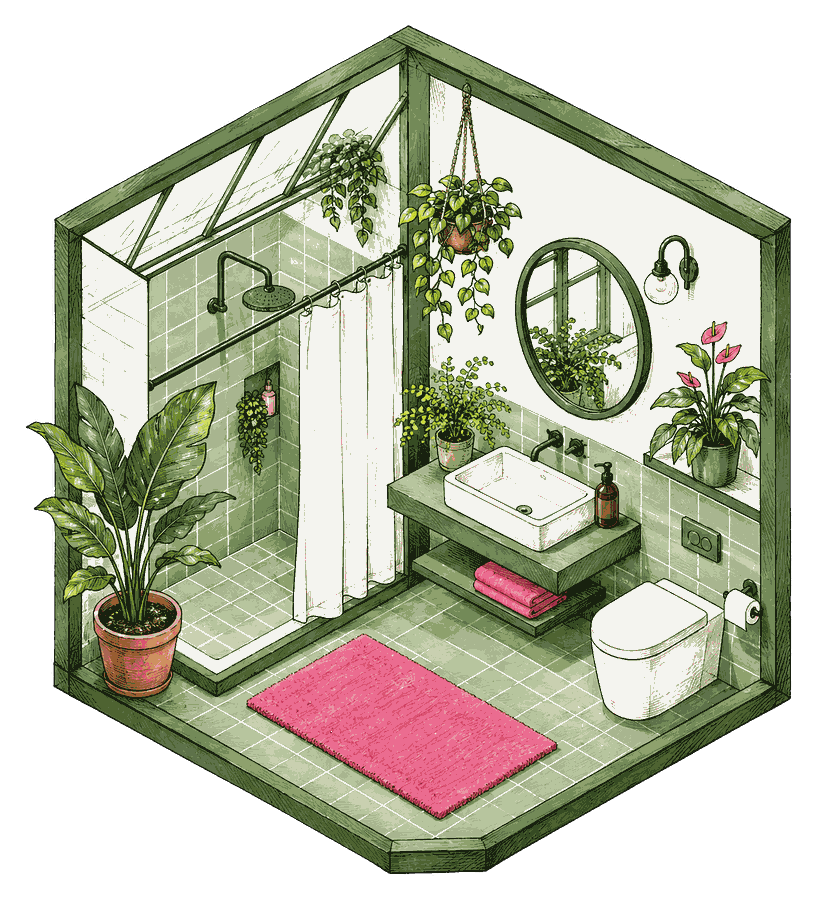
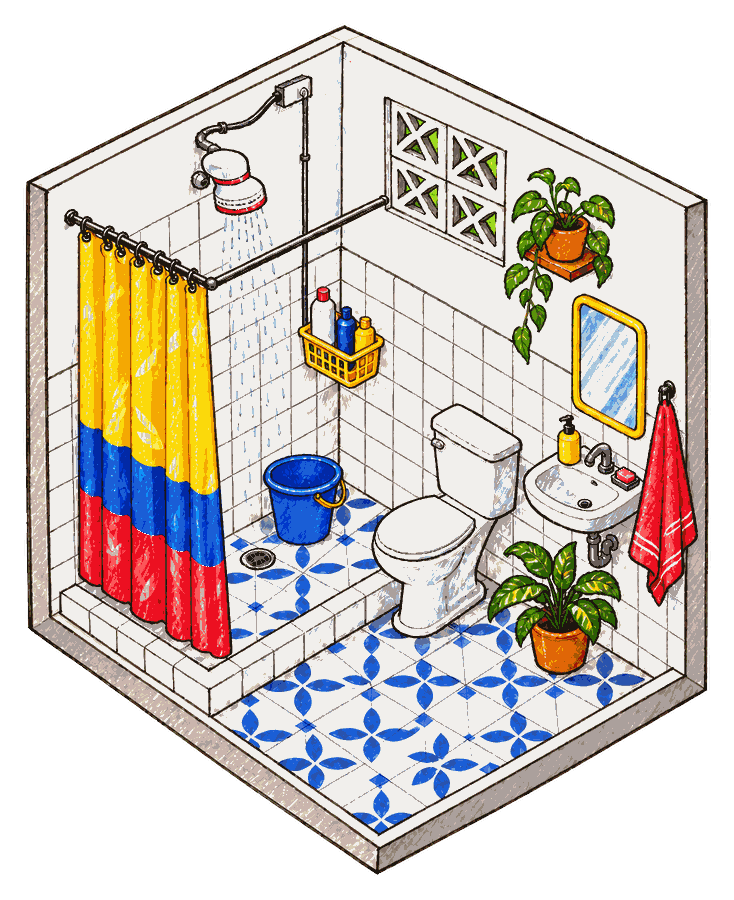
Lavender, Porcelain, Cove, Greenhouse and Baldosa — pick the space, not just the numbers behind it.
A/B, compare and copy
Two full slots, one click to hear the difference, one click to carry a setting over.
presets, from people who actually mix
A handful of starting points from engineers I trade notes with, not a factory list. Pick one, then make it wrong in your own way.
dark mode
For 2am sessions.